We measure every muscle. We see where the load goes.
Your tests show that something is down. MOTUS 22 shows which muscle, where the load is arriving, and what to fix first, for each athlete and each sport.

One very short pulse. The muscle twitches.

One muscle stops doing its share. Another one pays.
One scan. A map, a ranked list, a programme.
A 30–60 minute measurement of up to 34 muscle pairs goes through an analysis engine built for your sport. You get a body map of where the load goes, the muscles to fix in order, and a corrective programme on your phone, the same day or within a few days.
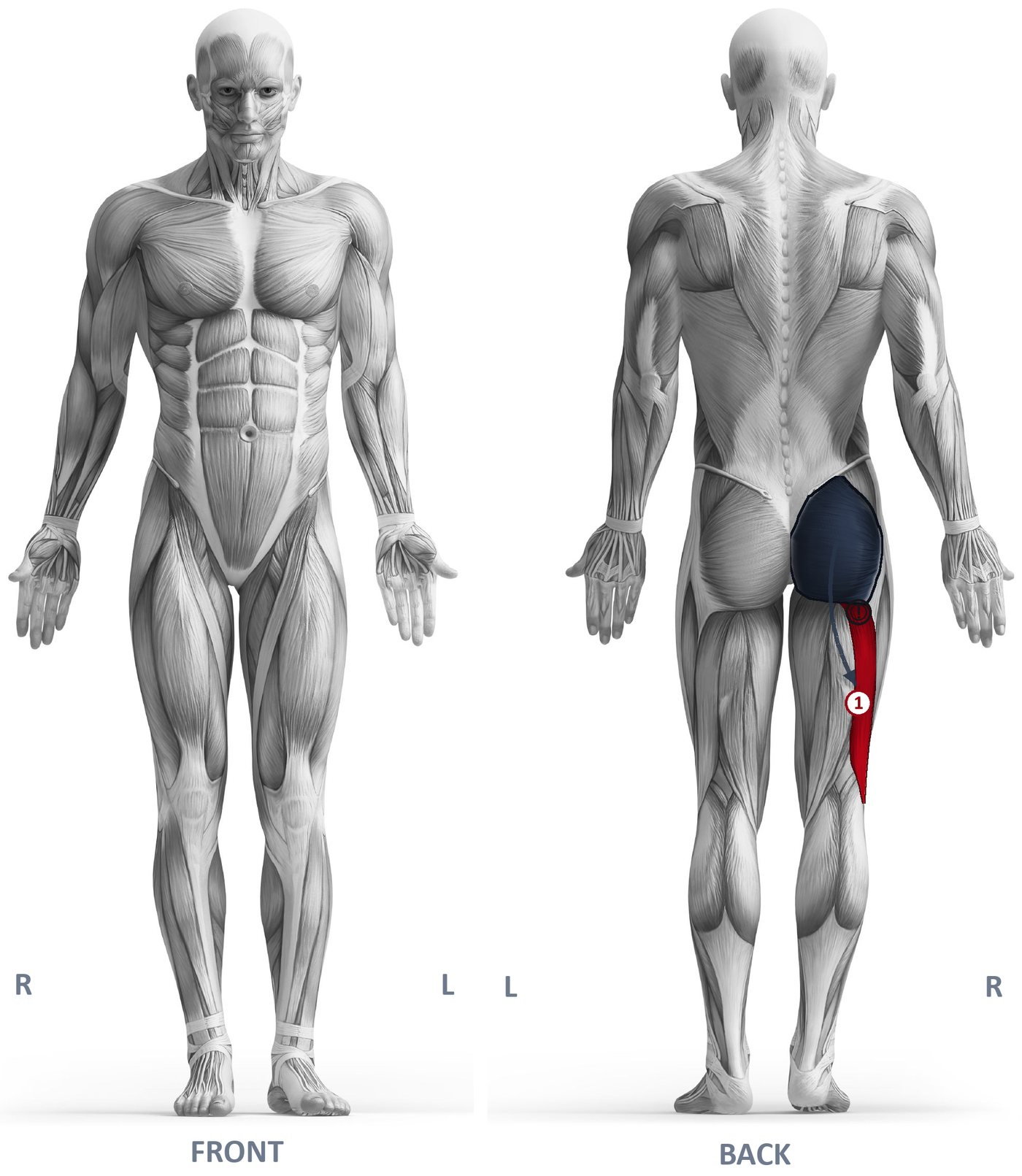
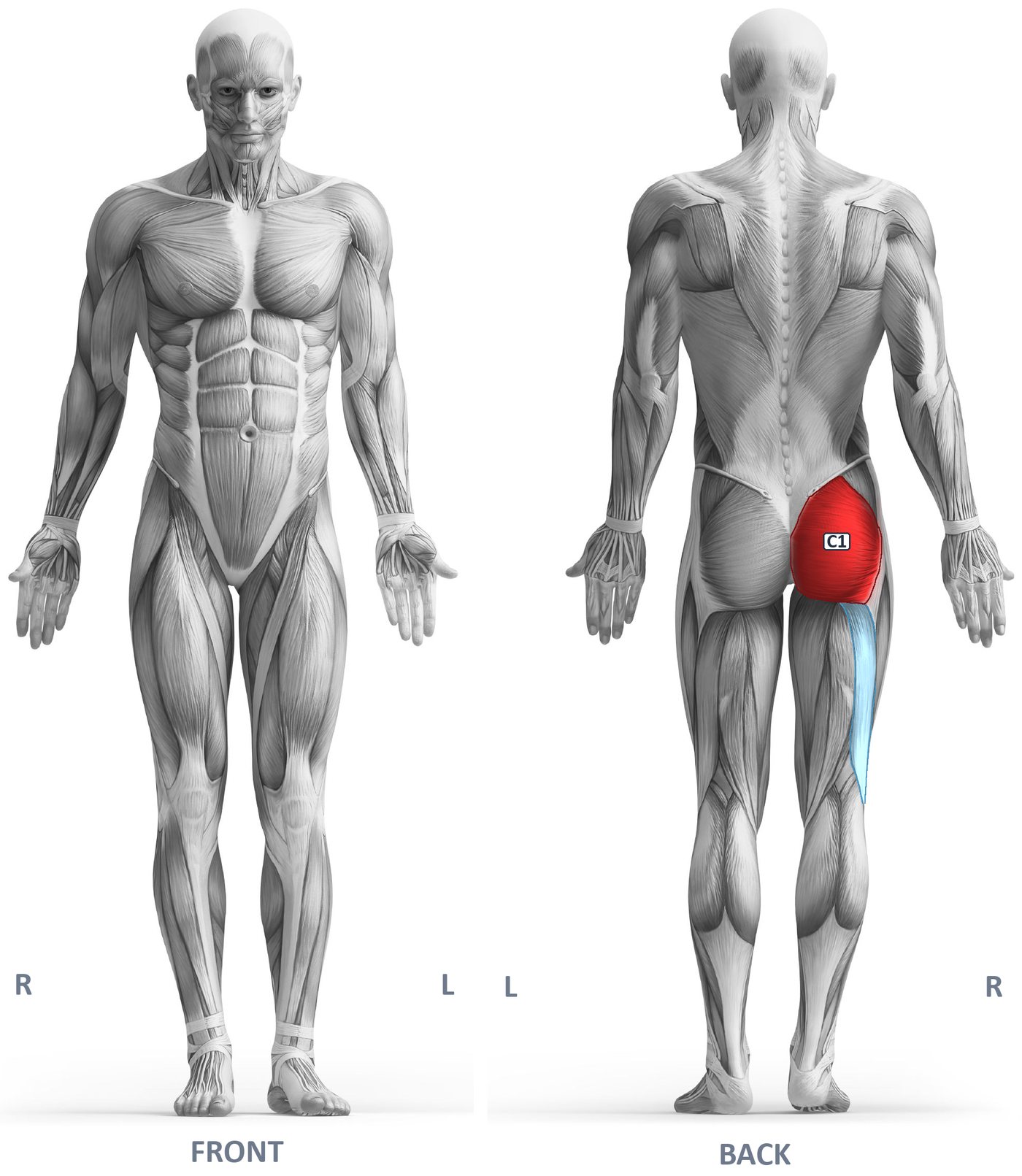
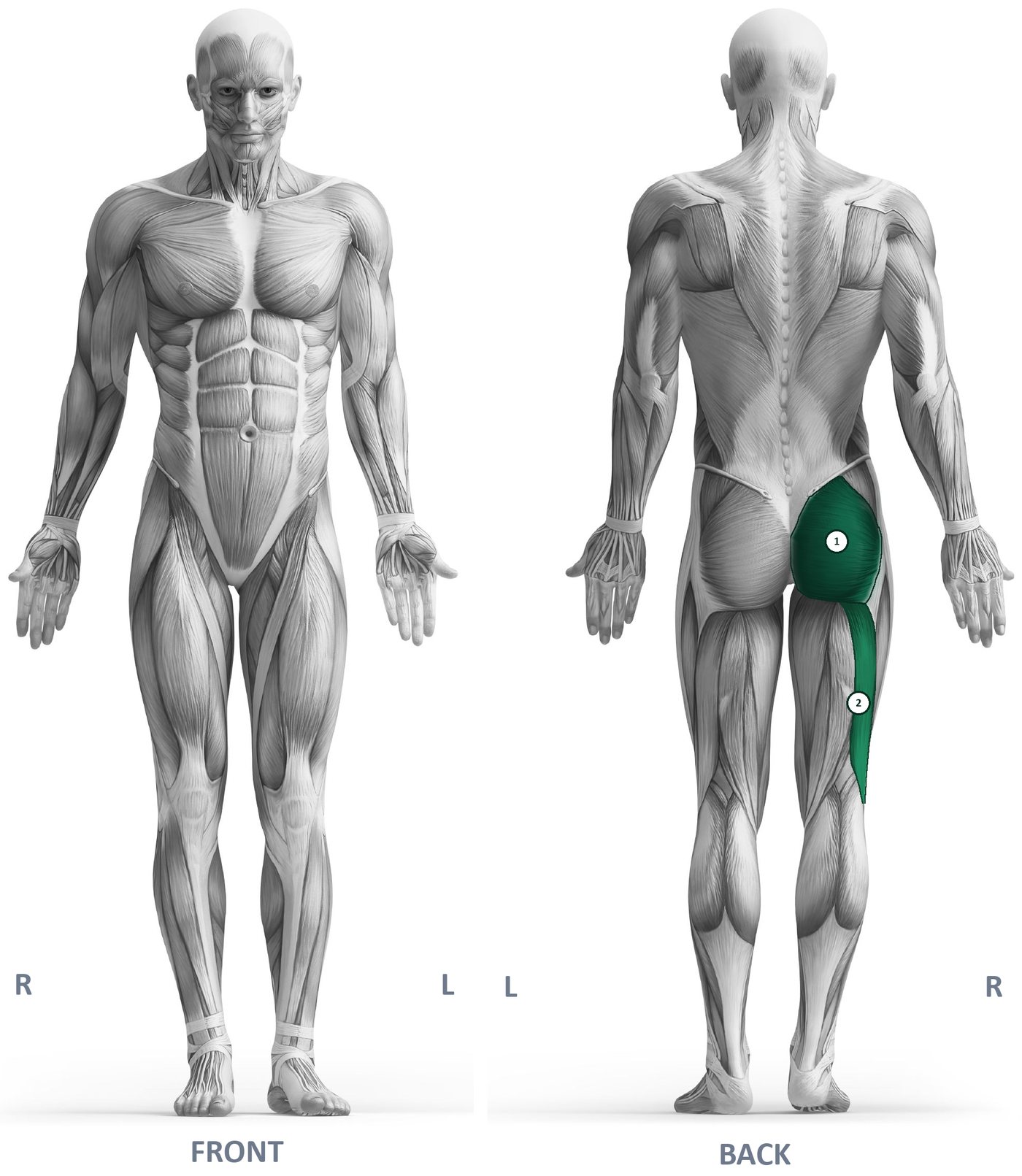
Demo athlete. Synthetic data, never a real person.
Trusted where results are measured in hundredths.
- Head S&C coach, Serbia women's national basketball team: Olympic bronze, Rio 2016; EuroBasket gold 2021.
- Since 2023 with the Dutch Athletics Federation at Papendal, with coach Laurent Meuwly: kinetic-chain load analysis for Olympic and world medallists.
- Individual work with NBA and EuroLeague players: Goran Dragić, Jonas Valančiūnas, Nemanja Nedović, Tyrese Rice.
Built sport by sport.
Eleven analysis engines. Each knows what its sport asks of the body.
30–60 minutes. No needles.
- 1
You lie still.
Two small pads and a light sensor go on each muscle.
- 2
One very short pulse per measurement.
An electrical pulse of 1 millisecond. The sensor records how the muscle twitches.
- 3
Your sport's engine reads it.
Position, dominant side and any complaint are part of the analysis.
- 4
You get your map and programme.
Same day or within a few days. Re-test in 6–8 weeks.


Tomaž Brinec, M.Sc.
Strength and conditioning coach and tensiomyography specialist. More than fifteen years in elite sport in six countries. Sole author of the MOTUS 22 software and of the forthcoming book Where the Load Goes.
About TomažWhere the Load Breaks: try it.
An interactive body map: pick a muscle and see what happens when it stops doing its share, who takes over, and which tissue pays.